





Holy Houses: places of worship in twentieth-century Britain
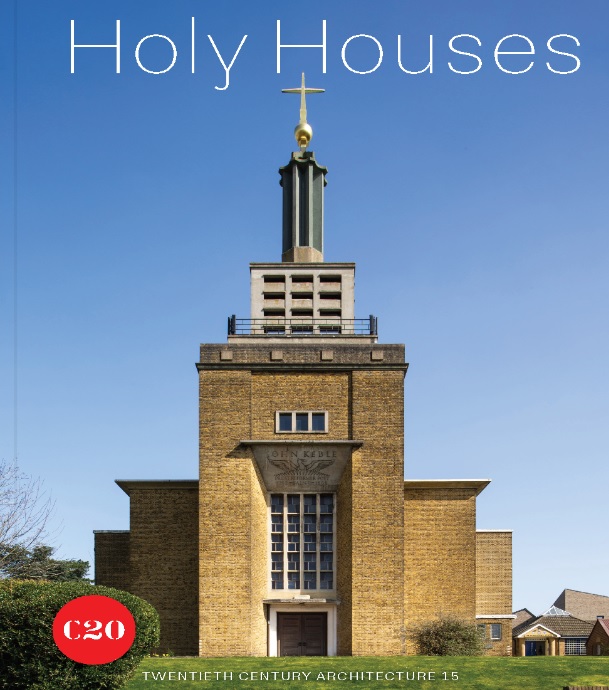
One of the great benefits of membership of the Twentieth Century Society, in addition to its excellent regular magazine C20, is the periodic publication of the splendid and important series of monographs on modern architecture. This is consistently supported in particular by the Mark Fitch Fund and by others including, from time to time, Historic England.
Volume No 15, edited by Elain Harwood and Alan Powers, is entitled Holy Houses: places of worship in twentieth-century Britain. This invaluable collection of essays, well-illustrated with most of the photographs of buildings in colour, should act as a stimulus to motivate readers towards the care and management of these buildings as an integral aspect of our built environment and cultural heritage. Sadly, we recently learned of the death of Elain Harwood, who will be greatly missed.
Within its 192 pages, the society brings together a wide range of ecclesiastical subject matter from twelve contributors. It is enterprisingly broad, ranging from denominations like the Salvation Army (by Stephen Spencer) and Christian Scientists (by Alan Powers), rarely considered as serious architectural clients, to the Quakers (by Johanna Roethe), a denomination more readily associated with the architecture of earlier eras.
The volume also covers several individual architects, some of them well known, like Percy Thomas (by Robert Proctor) and Robert Potter and Richard Hare (by Elain Harwood). Others, like Ernest Bower Norris and Richard Twentyman, receive the wider recognition seemingly only formerly accorded within the limited geographical areas where their work was dominant.
This article originally appeared in the Institute of Historic Building Conservation’s (IHBC’s) Context 176, published in June 2023. It was written by Bob Kindred MBE.
--Institute of Historic Building Conservation
Related articles on Designing Buildings
IHBC NewsBlog
IHBC sponsors Gardens Trust event 23-4 Sept 2026
.jpeg)
'Learning from the Past, Shaping the Future’ takes place in Milton Keynes
Renovations to Frank Lloyd Wright's Fallingwater complete
.jpg)
World Heritage Preserved project opens house for tours again
Shakespeare Birthplace Trust places Hall's Croft on HAR Register
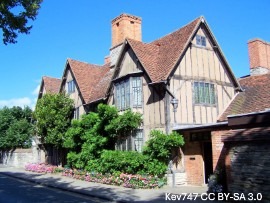
Stratford-upon-Avon home of Shakespeare's daughter is 'At Risk'
Lady Grange’s House repaired on St Kilda
.jpg)
National Trust for Scotland repairs stone cleit with link to famous island resident
Griff Rhys Jones on BBC Radio 4 Today programme
,_Green_Lane,_Derby.jpg)
The Victorian Society’s President unveiled its latest Top Ten Endangered Buildings 2026.
Need a MATE? Book your place now.
IHBC offers free webinars on applying for IHBC accreditation (Full & Associate).
UK Stained Glass Repository finds windows new homes
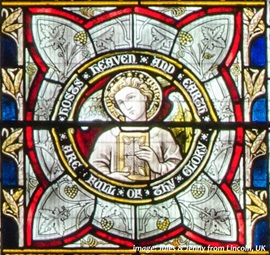
How are stained glass windows are rescued, stored and repurposed?
APPGEBE report sets high aims for quality
'Government must not sacrifice quality in drive to build 1.5m homes'
New measures protect Historic Shipwrecks from heritage crime

Underwater cultural heritage benefits from new HE guidance
How could the City of London skyline look in 6 years' time?

Visualisation shows approved planning applications as completed buildings
National Trust for Scotland calls for VAT cuts
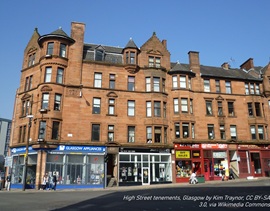
Heritage neglect is encouraged by current policies
IHBC's 'Context' Issue 186 features Industrial Heritage
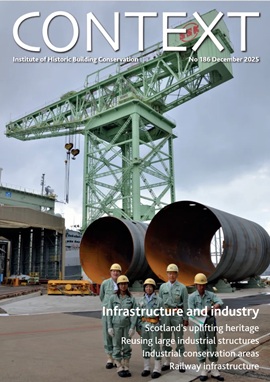
IHBC's members' journal reports on the challenges of conserving infrastructure
Book now for IHBC Annual School 2026
IHBC Annual School is taking place 18-20 June 2026 in Newcastle
RICHeS Research Infrastructure offers ‘Full Access Fund Call’
RICHeS offers a ‘Help’ webinar on 11 March
Latest IHBC Issue of Context features Roofing
Articles range from slate to pitched roofs, and carbon impact to solar generation to roofscapes
Three reasons not to demolish Edinburgh’s Argyle House

Should 'Edinburgh's ugliest building' be saved?
IHBC’s 2025 Parliamentary Briefing...from Crafts in Crisis to Rubbish Retrofit
IHBC launches research-led ‘5 Commitments to Help Heritage Skills in Conservation’
How RDSAP 10.2 impacts EPC assessments in traditional buildings

Energy performance certificates (EPCs) tell us how energy efficient our buildings are, but the way these certificates are generated has changed.